Reviewing When You Enter This Library School
As a designer who spends more time staring at stitch simulations than I care to admit, I have learned that not every cute graphic translates well to thread. We live in an era where digital assets are abundant, but finding a machine embroidery design that balances aesthetic charm with technical feasibility is a different challenge entirely. Recently, I evaluated the When You Enter This Library School design to determine its viability for real-world applications. This is not just a visual critique; it is a practical assessment of how this asset performs when moved from a screen to a hoop.
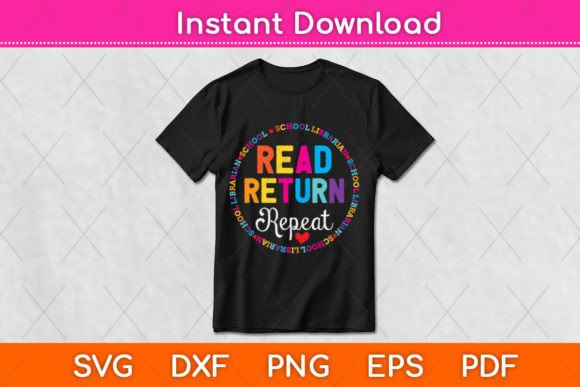
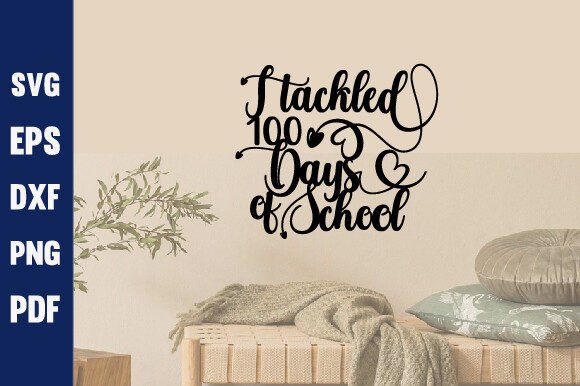
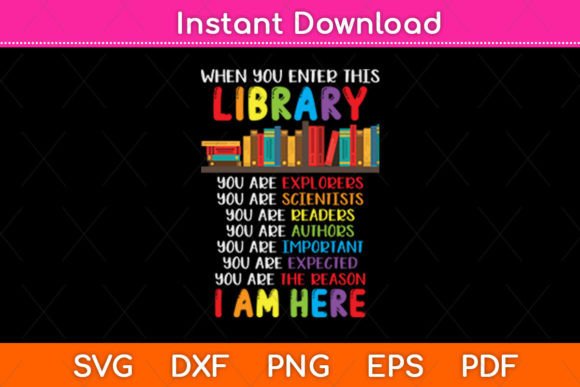
The first impression of When You Enter This Library School is one of nostalgic warmth. It captures a specific mood that resonates deeply with educators, librarians, and book lovers. The layout suggests a narrative quality, which is crucial for engagement. However, my immediate concern as a reviewer was not the sentiment, but the structural integrity of the lines. In the world of Crafts and Graphics, there is often a disconnect between what looks good on a tablet and what survives the tension of a sewing machine. This design, marketed primarily as an SVG for cutting machines like Cricut Explore, Cricut Maker, and Silhouette, requires a thoughtful approach if you intend to digitize it for embroidery or use it as a reference for appliqué.
The Real-World Application Test
To truly understand the value of this design, I imagined a specific client project: a custom tote bag for a local school librarian’s retirement gift. The goal was to create a handmade product that felt professional yet personal. Using When You Enter This Library School as the central motif, I considered how the text and graphical elements would interact with the fabric texture of a heavy canvas tote.
If you are using this as a cut file for heat transfer vinyl (HTV) before embroidering around it, or if you are manually digitizing the SVG into an embroidery file, the spacing becomes critical. The phrase implies a story, and in embroidery, readability is king. On a textured fabric like canvas or a waffle-knit towel, fine details can get lost. I found that this design works best when scaled appropriately to maintain the clarity of the lettering. For a sweatshirt embroidery project, the softness of the fleece requires a robust stabilizer to prevent the design from sinking into the nap, which could obscure the message.
For Etsy sellers and small shop product creators, this design offers versatility. It fits naturally into categories like teacher appreciation gifts, back-to-school merchandise, and literary-themed home decor. However, the key to success lies in the execution. A poorly stitched version of this design can look amateurish, while a well-executed version elevates the perceived value of the finished product.
Navigating Technical Constraints
One must address the elephant in the room: this is sold as an SVG for cutting machines, not necessarily as a native embroidery file. This distinction is vital for commercial embroidery professionals. If you are purchasing this to convert into stitches, you need to be aware of the conversion process. SVGs are vector paths; embroidery files are stitch commands. Converting them requires careful attention to stitch density and pathing.
When working with When You Enter This Library School, consider the following technical hurdles:
- Small Hoop Sizes: If the design includes intricate details or small text, ensure your hoop size allows for adequate stabilization. Crowding the design into a 4x4 hoop might compromise the edges.
- Textured Fabrics: On terrycloth or fleece, use a topping stabilizer to keep the stitches floating above the fabric texture. This ensures the letters remain crisp and legible.
- Stretchy Fabric: For baby embroidery on onesies, the fabric stretch can distort the design. Use a cut-away stabilizer to provide long-term support, especially if the item will be washed frequently.
- Dense Stitch Areas: If the design features solid blocks or heavy graphics, check for potential puckering. You may need to adjust the fill stitch patterns or introduce underlay stitches to stabilize the fabric before the top stitching begins.
For those using this as an applique design, the SVG format is ideal. You can cut the shapes from contrasting fabric and stitch them down using a satin stitch or running stitch border. This method reduces stitch count and prevents the stiffness often associated with large filled areas. It is particularly effective for tote bag design projects where flexibility and drape are important.
Visual Appeal and Brand Consistency
From a branding perspective, When You Enter This Library School exudes a sense of community and intellect. For creative entrepreneurs selling design assets or finished goods, this emotional connection drives sales. Customers are not just buying a shirt; they are buying an identity. The design’s ability to convey this identity clearly is its strongest asset.
However, visual appeal is subjective to execution. I recommend testing the design in black and white mockups first. If the design loses its impact without color, it may rely too heavily on hue rather than form. Strong embroidery designs hold up in monochrome because the contrast and shape do the heavy lifting. When selecting thread colors, opt for high contrast against the fabric background. A dark thread on a light shirt, or vice versa, ensures the message is read instantly.
For holiday embroidery or seasonal promotions, this design can be adapted with thematic colors. Imagine it stitched in autumnal tones for a fall book fair or bright primaries for a spring literacy event. The adaptability of the design makes it a valuable addition to a craft business portfolio.
Practical Designer Notes
Before you commit to producing a batch of items, follow these practical steps to ensure quality:
- Test on Scrap Fabric: Always run a test stitch-out on the same type of fabric you plan to use for the final product. This reveals issues with tension, density, and registration.
- Check Licensing: Since this is an instant download file intended for cutting machines, verify the license terms for commercial use. Ensure you have the right to sell finished items made with this design, especially if you are digitizing it yourself.
- Inspect Small Details: Zoom in on the SVG paths. Are there any stray nodes or overlapping lines? Clean up the vector file before digitizing to avoid unnecessary jumps or trims in the embroidery machine.
- Confirm Hoop Size: Measure the maximum dimensions of the design. Ensure it fits comfortably within your hoop with at least an inch of margin for stabilization.
- Use Proper Stabilizer: Match the stabilizer to the fabric. Tear-away for stable woven fabrics, cut-away for knits, and water-soluble for delicate or textured materials.
In conclusion, When You Enter This Library School is a compelling design with strong emotional resonance. While it is marketed as an SVG for cutting machines, its potential in embroidery is significant if handled with technical care. Whether you are creating a personalized gift, a custom apparel line, or an embroidered patch, the key lies in respecting the limitations of the medium. By paying attention to stitch density, fabric choice, and stabilization, you can transform this digital graphic into a tangible, high-quality piece of art that customers will cherish.
For digital embroidery file creators, this serves as a reminder that source files matter. For makers and hobbyists, it is an invitation to experiment with conversion and appliqué techniques. The result, when done correctly, is a professional-looking product that stands out in a crowded market. Always prioritize clarity and durability, and let the design’s inherent charm shine through the threads.