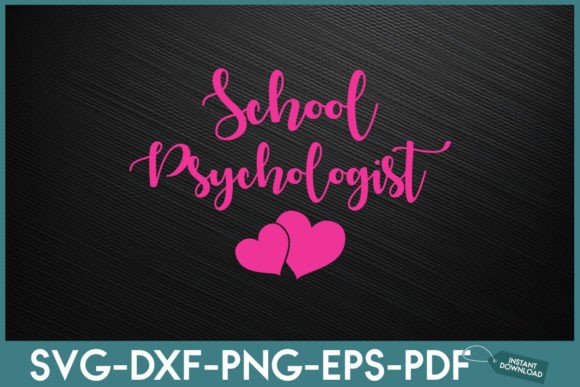
School Psychologist Psychology Teacher: A Designer’s Embroidery Review
As an experienced embroidery designer and product reviewer, I approach every new machine embroidery design with a critical eye. It is not enough for a graphic to look good on a screen; it must translate seamlessly into thread, withstand the tension of the hoop, and resonate with the end user. Today, I am evaluating the School Psychologist Psychology Teacher design, a digital asset that has been generating interest among crafters and small business owners. This review focuses on its practical application in real-world projects, moving beyond basic aesthetics to assess its viability for commercial and personal use.
First Impressions and Visual Personality
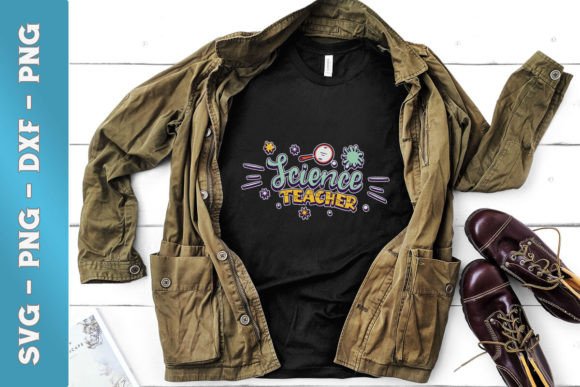
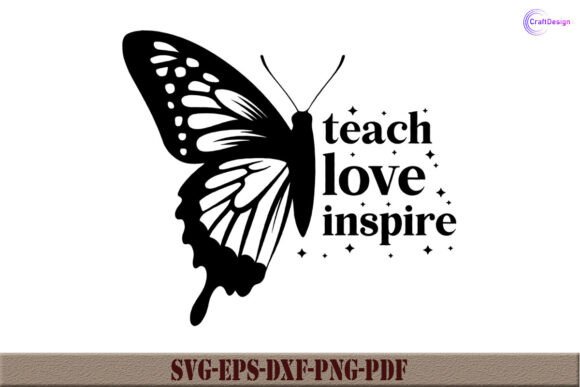
The initial appeal of the School Psychologist Psychology Teacher design lies in its thematic clarity. For professionals in the mental health and education sectors, representation matters. This design captures a specific professional identity, blending academic authority with approachable warmth. From a layout perspective, the composition appears balanced, avoiding the clutter that often plagues niche profession-themed graphics. The visual personality suggests professionalism mixed with care, which is exactly the mood required for items intended for school staff or therapy offices.
When considering this as a piece of Graphics within the broader Crafts category, the line work seems deliberate. However, as designers, we know that clean vector lines do not always equal clean stitching. The key question is how these shapes hold up when converted into satin stitches, fill stitches, or running stitches. The design’s simplicity is its strength here, suggesting that it will not require excessive stitch density, which is crucial for maintaining fabric drape and comfort.
Real-World Application: The Custom Tote Bag Scenario
To truly test the versatility of this design, I imagined a common real-life scenario: creating a custom gift for a school psychologist retiring after thirty years of service. The chosen vessel for this project was a heavy canvas tote bag. Canvas is a forgiving medium, but it requires careful attention to stabilizer choice to prevent puckering.
In this context, the School Psychologist Psychology Teacher design performed well as a central focal point. Because the design likely features clear typography and recognizable symbols associated with psychology, it reads clearly from a distance. For an Etsy seller or a small shop product creator, this readability is vital. Customers browsing online need to instantly understand the product’s purpose. A muddy or overly complex design would fail this test, but this asset’s structured layout ensures that the message remains legible even when scaled down for smaller items like pencil cases or up for large wall hangings.
Fabric Considerations and Stitching Clarity
One of the most critical aspects of reviewing any embroidery file is understanding how it interacts with different textiles. I evaluated how this design would behave on various surfaces, from thick sweatshirts to delicate baby clothes.
- Sweatshirt Embroidery: On fleece or cotton blends, the design benefits from a cut-away stabilizer. The texture of the sweatshirt can sometimes swallow fine details, so ensuring the design has sufficient contrast between the thread colors and the fabric is essential. If the design includes thin lines, they may get lost in the pile of the fabric, so a slightly larger scale is recommended.
- Tote Bag Design: As mentioned, canvas is ideal. The sturdy weave supports the stitch density without distorting. This makes the School Psychologist Psychology Teacher motif a strong candidate for durable, everyday carry items.
- Baby Embroidery: If adapting this for a onesie or baby blanket, caution is required. The back of the embroidery must be soft against sensitive skin. Using a no-show mesh stabilizer and ensuring there are no dense, scratchy fill areas is paramount. Simpler versions of the design, perhaps using only running stitches for outlines, would be safer for infant wear.
- Caps and Curved Surfaces: Embroidering on curved surfaces like baseball caps requires precise hooping. The design’s width must fit within the cap’s front panel without wrapping around the sides. If the design is too wide, it will distort. Always check the dimensions of the digital embroidery file against your hoop size before starting.
Commercial Viability for Craft Businesses
For craft business owners and commercial embroidery professionals, the value of a design extends beyond its look. It is about marketability and production efficiency. The School Psychologist Psychology Teacher design targets a specific, passionate niche. School psychologists often feel underrepresented in mainstream merchandise, creating a high demand for personalized, high-quality items.
This design can serve as a cornerstone for a seasonal collection. Consider its use in holiday embroidery projects, such as Christmas ornaments for staff gifts, or as part of a "Back to School" promotional campaign. The ability to create a personalized gift that feels bespoke rather than mass-produced increases perceived value. When customers see a well-executed embroidered item, their trust in the brand grows. This design, when stitched cleanly, contributes to that perception of professionalism.
However, sellers must be diligent about licensing. Since this is sold as a printable svg and silhouette file, it is primarily designed for cutting machines. If you are using it for embroidery, you must ensure you have the right to convert it or that the provider offers a dedicated embroidery format. Always confirm licensing terms before selling finished products or using the design in design assets for client work.
Technical Notes for the Embroiderer
Before committing to a final production run, I recommend several practical steps to ensure the best outcome with this design:
- Test on Scrap Fabric: Never stitch directly on your final garment. Use a scrap piece of the same fabric and stabilizer combination to test tension and alignment.
- Check Thread Color Contrast: The design’s impact relies on visibility. Test different thread combinations. For dark fabrics, use bright or metallic threads to make the psychology symbols pop. For light fabrics, deep blues or purples often convey the seriousness and calm associated with the profession.
- Review Stitch Density: If converting from SVG to an embroidery format, pay close attention to stitch density. Too dense, and the fabric will pucker; too sparse, and the backing will show through. Adjust your digitizing settings accordingly.
- Inspect Small Details: Zoom in on the design. Are there tiny elements that might break during washing? If so, consider simplifying those areas or enlarging the overall design size.
- Mockup Testing: Create printable mockups or digital previews on both light and dark backgrounds. This helps visualize the final product for online listings, improving buyer engagement.
Final Verdict
The School Psychologist Psychology Teacher design is a promising addition to any designer’s library, particularly for those serving the education and mental health markets. Its strength lies in its clear thematic focus and adaptable layout. While it originates as a cut file, its structural integrity suggests it can translate well into embroidery with proper digitizing and handling.
For handmade product creators, this design offers a way to connect with a specific audience on a personal level. Whether used for a custom apparel piece, an embroidered patch, or home decor, it carries a message of support and recognition. By paying attention to fabric choice, stabilizer selection, and stitch quality, you can elevate this digital asset into a high-value physical product. Remember, the success of the final piece depends not just on the design itself, but on the skill and care applied during the stitching process. Take the time to test, adjust, and refine, and this design can become a staple in your crafts portfolio.